More Than a Break – The Proven Effects of Holidays on Your Wellbeing

Taking a holiday is often seen as a simple break from work or daily routines. Yet, the effects of stepping away from everyday responsibilities go far beyond just rest. Research shows that holidays have lasting benefits for mental health and overall wellbeing. This post explores how taking time off can improve your mood, reduce stress, and boost your productivity long after the holiday ends.

How Holidays Improve Mental Health
Stress builds up when people work continuously without breaks. This can lead to burnout, anxiety, and even depression. Taking a holiday interrupts this cycle by giving the brain a chance to rest and recover.
Reduced Stress Hormones
A study in 2022 (Hübner, M., Lechleitner, P. & Neumayr, G.) found that even a mere one week vacation revealed lower stress and improved emotional wellbeing.
Improved Sleep Patterns
This same study found that time off also improved the quality of sleep of healthy persons. Better sleep supports emotional regulation and cognitive function.
Increased Relaxation
Holidays encourage relaxation through activities like walking in nature, reading, or spending time with loved ones. These moments help calm the nervous system.
The Role of Change in Mental Refreshment
A change of environment plays a crucial role in mental recovery. When you leave your usual surroundings, your brain experiences new stimuli, which can break negative thought patterns.
New Experiences Boost Creativity
Exploring new places or trying new activities activates different parts of the brain. This can lead to fresh ideas and improved problem-solving skills.
Breaking Routine Helps Perspective
Stepping away from daily tasks allows you to see challenges from a new angle. This can reduce feelings of overwhelm and increase motivation.
Physical Health Benefits
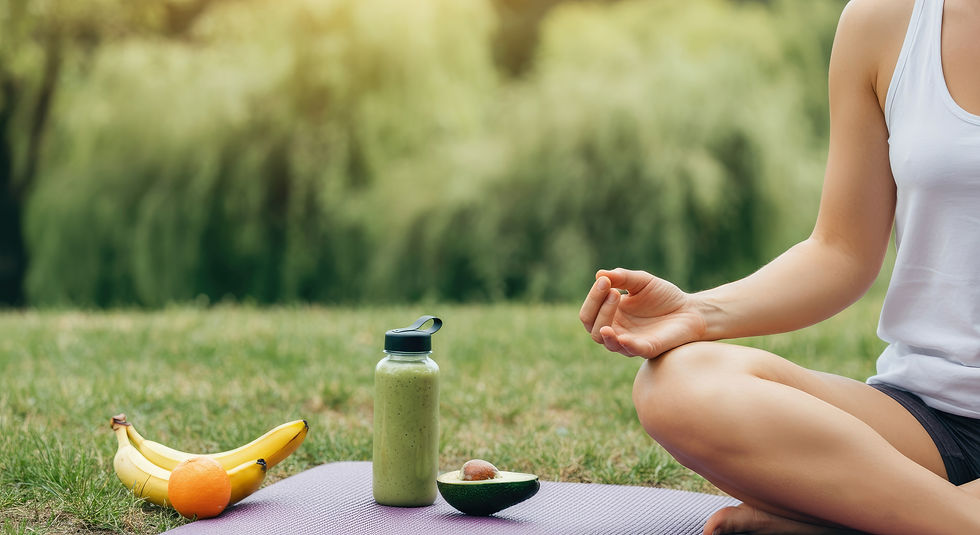
Mental and physical health are closely connected. Holidays often encourage physical activity and healthier habits, which support mental wellbeing.
More Movement
Whether hiking, swimming, or walking, holidays often involve more physical activity than regular workdays. Exercise releases endorphins, natural mood boosters. The 2022 study highlighted earlier also found that holidays that included low–moderate exercise improved individuals' HRV (Heart Rate Variability) and ANS (Autonomic Nervous System).
Sunlight Exposure
Spending time outdoors increases vitamin D levels, which are linked to lower rates of depression.
How Holidays Boost Work Performance
Taking time off does not just benefit personal health; it also improves work performance after returning.
Increased Focus and Productivity
Rested minds concentrate better and complete tasks more efficiently. A study in 2021 (Packer, K.) found that taking a break leads to measurable improvements in cognitive performance.
Enhanced Creativity
New experiences and mental breaks lead to innovative thinking and problem-solving. A study in 2019 (Kawakubo, A. & Oguchi, T.) concluded that recovery experienced during vacations promoted employees' creativity, as well as improved occupational well-being and life satisfaction.

Practical Tips for Making the Most of Your Holiday
To gain lasting benefits, how you spend your holiday matters. Here are some tips to maximise the positive effects:
Disconnect from Work
Avoid checking emails or work messages. True mental rest requires a break from work-related thoughts.
Plan Fulfilling Activities
Choose activities that relax you, bring joy, get your body moving, or provide you with a new experience. Activities could be anything from hiking, reading, yoga, getting a massage, trying a new food or exploring a new city.
Spend Time in Nature
Natural settings have proven calming effects on the brain. Many jobs require us to be inside for most of our day, so getting out and experiencing nature can be extremely enriching for our physical and mental wellbeing.
Prioritise Sleep
Use the holiday to reset your sleep schedule. There can be such joy created from simply not setting an alarm.
Practice Mindfulness
Engage fully in the present moment to reduce anxiety, increase satisfaction and make the most out of your holiday.
Overcoming Barriers to Taking Holidays
Many people hesitate to take holidays due to workload or guilt. Recognising the importance of breaks can help overcome these barriers.
Communicate with Your Team
Plan your absence in advance and delegate tasks to reduce stress about work piling up.
Consider Starting with Short Breaks
Even a long weekend has proven to provide mental health benefits.
Remember the Long-Term Gains
Taking time off improves your ability to work well and maintain relationships.

Final Thoughts on Taking Holidays for Wellbeing
Holidays aren’t indulgent. They’re restorative, empowering, and deeply human.
Everyone deserves access to the joy, confidence, and wellbeing that travel can bring. By stepping away from daily pressures, you give your mind and body a chance to recover and recharge. The benefits last well beyond the days off, helping you return to life with renewed energy and a clearer perspective.
If you have not taken a proper holiday recently, consider planning one soon. Even small breaks can make a big difference. Because everyone deserves a holiday.
References
Bloom, J. D., Lehr, D. & Syrek, C.J. (23 December, 2021). Well Recovered and More Creative? A Longitudinal Study on the Relationship Between Vacation and Creativity. Frontiers in Psychology.
Hübner, M., Lechleitner, P. & Neumayr, G. (27 December, 2022). Effects of a one-week vacation with various activity programs on well-being, heart rate variability, and sleep quality in healthy vacationers—an open comparative study. Springer Nature Link.
Kawakubo, A. & Oguchi, T. (April, 2019). Recovery experiences during vacations promote life satisfaction through creative behavior. Tourism Management Perspectives. ScienceDirect.
Packer, K. (May, 2021). Taking a break: Exploring the restorative benefits of short breaks and vacations. Annals of Tourism Research Empirical Insights. ScienceDirect.