Travel Experiences for Sensory-Sensitive Travellers


For many people, travel is exciting and energising – but for sensory-sensitive travellers, unfamiliar environments can sometimes feel overwhelming. Loud noises, crowded spaces, bright lights, and unpredictable schedules can make typical holidays stressful rather than relaxing. The good news is that travel doesn’t have to mean sensory overload. With thoughtful planning and the right environments, holidays can become calming, restorative, and deeply enjoyable experiences.
Sensory-friendly travel focuses on creating spaces where people feel comfortable, supported, and able to engage at their own pace. Quiet natural settings, smaller group activities, and flexible schedules can make a huge difference.
Quiet Beach Experiences

Beaches can be surprisingly soothing environments for sensory-sensitive travellers, particularly when visited during quieter times of day. Early mornings or late afternoons often offer calm atmospheres with fewer crowds, softer light, and the steady, rhythmic sound of the ocean. Activities like beach walks, sitting by the water, swimming, or even simply feeling the sand underfoot can be grounding experiences. For many people, the ocean provides a sense of calm that helps regulate sensory input and encourages relaxation.
Hot tip: check the weather and ocean forecast when choosing which beach to go to. Ideal conditions would be little-no wind, enough sunshine, and small waves.
Creative & Hands-On Activities

Creative activities can also provide wonderful travel experiences. Art workshops, craft sessions, photography walks, or journalling activities offer structured yet calming ways to engage with a destination. These experiences allow travellers to focus on creativity and expression without the pressure of high-energy environments. Hands-on activities also provide a predictable structure, which can help many people feel more comfortable in unfamiliar places.
Consider bringing along paints, clay, sewing – anything at all that allows for creative outlet.
Nature Walks & Gentle Outdoor Adventures

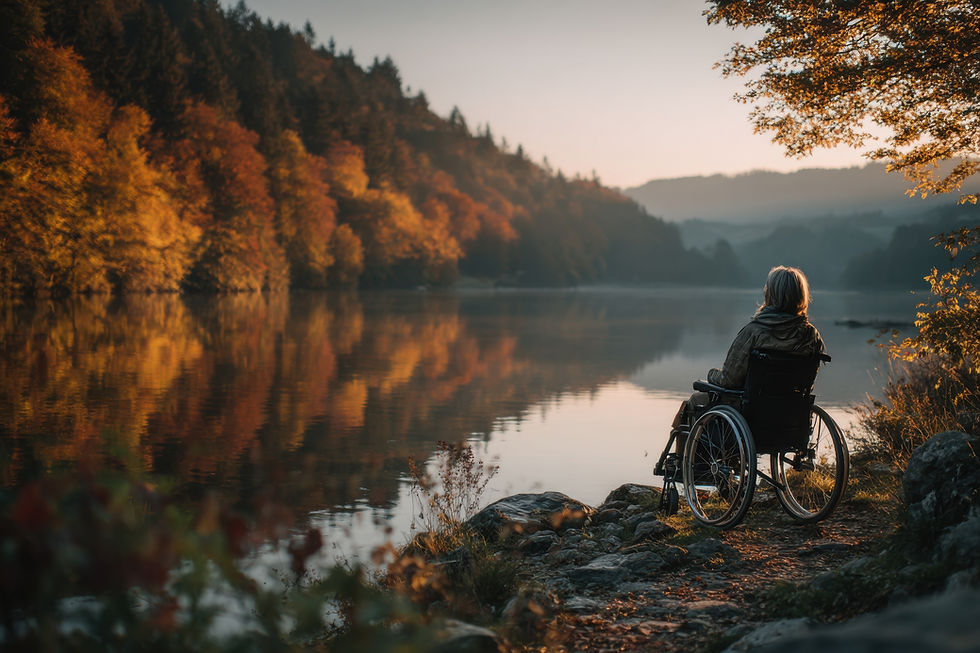
Spending time in nature is one of the most naturally sensory-friendly travel experiences. Forest walks, coastal trails, and quiet national parks provide calming surroundings with predictable sensory input – like the sound of waves, birdsong, or rustling leaves. These environments allow travellers to enjoy new places without the overwhelming stimuli often found in busy tourist attractions. Gentle outdoor activities such as guided walks or wildlife spotting also allow people to participate at a relaxed pace, making the experience both accessible and enjoyable.
Hot tip: pick a not-so-touristy location for extra quietness along the walk.
Relaxing & Quiet Group Activities

Relaxing activities can play an important role in creating a calm and restorative travel experience. Gentle options such as yoga classes, spas and massages, or breathing workshops allow travellers to slow down and reconnect with their bodies in a peaceful environment. These activities often focus on breathing, light movement, and relaxation rather than intense physical effort, making them accessible to people with different abilities and comfort levels. Experiences like these allow travellers to engage with community and socialise, while also recharging, reducing stress, and enjoying their surroundings at a comfortable pace.
Some Final Tips

To make sensory-friendly travel even more enjoyable, a few thoughtful preparations can go a long way. Bringing noise-cancelling headphones or earplugs can help manage overwhelming sounds, while sunglasses or a hat can reduce bright lights. Comfortable clothing, a favourite blanket or scarf, and familiar comfort items can provide a sense of security in new environments. Packing snacks, water, and personal care items can help ensure peace-of-mind, and having a flexible schedule allows travellers to rest or take breaks when needed. Small, simple strategies like these can make holidays calmer, more predictable, and ultimately far more enjoyable for sensory-sensitive travellers.
A More Relaxed Way to Travel
Travel should be something everyone can enjoy, including people who experience the world more sensitively. By choosing calm environments, supportive activities, and flexible schedules, sensory-sensitive travellers can experience the joy of exploring new places without unnecessary stress. Whether it’s a peaceful walk in nature, a quiet group class, or a creative workshop, sensory-friendly travel experiences create opportunities for relaxation, connection, and empowerment.